
Tag: Internet
Blog
How Single Sign-On Can Improve Your Organization’s Security
Written by: Jay H. Cybersecurity basics rule number one is having strong, unique passwords for every site or application you use. However, managing passwords can be challenging given the magnitude of apps and websites employees use. Thankfully, there’s an easier way to enforce secure password policies in your workplace. Using single sign-on (SSO), you and your staff can enjoy the
6 Ways To Improve Your Work From Home Space
Written by: Jay H. We’re approaching one year since the start of lockdowns that forced most of the workforce into a remote environment. Now, many organizations are looking to adopt remote working long-term even after the pandemic subsides. If you’re one of many full-time or part-time remote workers, you may want to make some improvements to your work area. Here
The End Of The Adobe Flash Player Era
Written by: Jay H. On January 12, 2021, Adobe officially pulled the plug on its renowned Flash Player web browser plug-in. Now, instead of displaying Flash content, users see a warning advising them to uninstall Flash Player. Once a crucial part of the early Internet, the media player has suffered a slow end since Adobe announced their plans to eliminate
What Is HTTPS And Why Is It Important?
Written by: Jay H. 4.66 billion users are active internet users, and that number grows daily. We use the web to stay connected to loved ones, shop, browse social media, and find information. However, many internet users often do not consider one thing when browsing: checking the address bar for the “HTTPS” prefix. What is HTTPS? HTTPS stands for Hypertext
What Are The 3 Types of Cloud Computing?
Written by: Jay H. According to 451 Research, 90 percent of enterprises are on the cloud. Cloud computing offers various benefits, including cost-effectiveness, daily backups, unparalleled mobility, extreme reliability, easy scalability, and better security. Within the cloud computing umbrella, there are three main types of cloud computing: Software-as-a-service (SaaS), Infrastructure-as-a-service (IaaS), and Platform-as-a-Service (PaaS). Let’s discuss each type. Infrastructure-as-a-Service (IaaS)
How To Protect Your Eyes From Blue Light
Written by: Jay H. Most people use their digital devices for a significant number of hours in their day. Canadians average six hours per day connected to the Internet with any device, and this number is only growing as our digital life becomes more entwined with our physical life. With all of this time in front of screens, people are
How To Secure Your Wi-Fi Network
Written by: Jay H. Your router is your gateway to the Internet, and vulnerabilities can allow others to access your network and data. Whether it be piggybackers (people who mooch your Wi-Fi) or nefarious hackers, you want to keep your Wi-Fi safe and secure. Learn how to secure your Wi-Fi network with these simple steps. 1. Change the wireless password
How To Tell If Your Computer Has A Virus
Written by: Jay H. Computer viruses do more than only slow down your computer – they can impact your PC’s functions, download more malware, spread to other computers, and delete or steal your files. So, learn how to tell if your computer has a virus and how to prevent them from infecting your PC in the first place. Types Of
Zoom: New Features To Combat Meeting Disruptions
Written by: Jay H. Zoom has introduced new security features to combat disruptive meeting participants, in conjunction with other tools to keep meetings secure. New Security Tools Suspend Participant Activities The new security features include hosts’ option to temporarily pause their meeting and remove a disruptive participant. Hosts can stop all video, audio, in-meeting chat, annotation, screen sharing, and recording by
Coronavirus Cyberthreats in 2021
Written by: Jay H. The coronavirus has impacted all aspects of our lives, including cyberspace. Businesses were forced to quickly transition their workforces to remote environments, creating opportunities for cybercriminals to strike. As the pandemic continues into 2021, expectations are that these attacks will increase. In a report released by cyber threat intelligence provider Check Point Research, there are three
Free Report
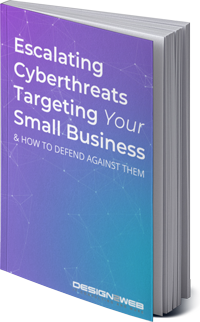
Escalating cyberthreats targetting your small business
How you can protect your business against the biggest cyberthreats looking to steal your valuable data and hard-earned money right now.

Menu
Contact Us
104 - 32615 South Fraser Way
Abbotsford, BC V2T 1X8
Canada